Choosing Decorative Refrigerator Magnets for Your Store takes more than picking bright designs. The right assortment must catch a shopper’s eye, feel worth its price, and fit the people who visit your store. Think of a glossy city skyline beside a hand-painted local landmark. Both may sell, but for different reasons.
Tourism offers useful context, not a magnet-sales forecast. UN Tourism reported approximately 1.4 billion international tourist arrivals in 2024, about 99% of 2019 levels. That recovery may support demand for destination souvenirs, but it does not prove that magnets will sell in every location. No widely cited public report isolates decorative refrigerator magnets as a retail category. Be cautious with broad market-size claims. They can hide more than they reveal.
Design still matters. Industrial designer Dieter Rams’s principle, “Good design is as little design as possible,” can guide choices about color, legibility, and visual clutter. A magnet should read clearly from a crowded display, with a finish that feels appealing in hand. Check material, weight, packaging, and whether the artwork reflects your customers rather than a generic tourist image. Ask suppliers about production consistency, and test small quantities before placing a large order. A tidy display can still conceal weak sell-through. It happens. Track which designs move, which remain, and why; then adjust your assortment. This guide offers a practical way to compare products, balance styles and price points, and choose Decorative Refrigerator Magnets with better evidence—not guesswork alone.
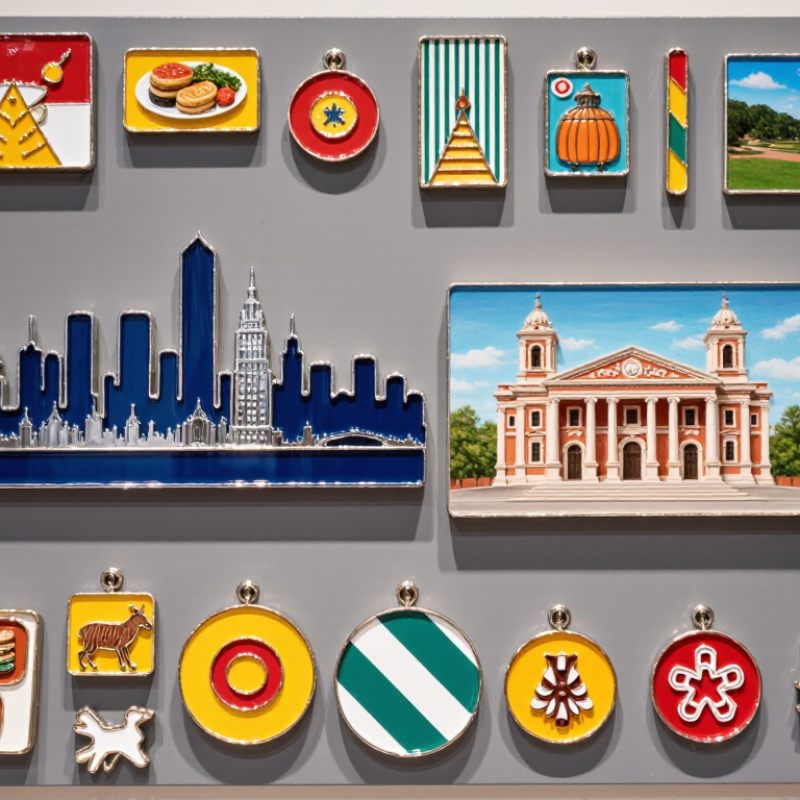
A useful magnet assortment begins with the people who already visit your store. Tourists may look for recognizable local landmarks, while neighborhood shoppers may prefer playful food, pets, or seasonal designs. Gift buyers often need clear prices and compact packaging. McKinsey’s 2021 Next in Personalization report found that 71% of consumers expect personalized interactions. That is a helpful signal, not proof that every shopper wants a custom magnet. Watch what people pick up, ask staff which designs sell, and note whether purchases happen near checkout or in a gift section. Small clues matter.
Match designs to your store’s space and price range. A narrow display beside the till may suit small, lightweight magnets with bold colors and easy-to-read artwork. A museum or visitor shop can give larger illustrated designs more room. Offer a few formats, but avoid filling every hook with near-identical options. Too much choice can make browsing harder. Try a simple test: group designs by theme, then track sales and customer questions for several weeks. Check whether a glossy finish shows fingerprints under bright lights, and whether small text remains legible from arm’s length. This is easy to misjudge. Review results by season, too; a local festival may shift demand, but one strong weekend is not enough evidence to reorder deeply.
Match magnet dimensions, material, print method, finish, and packaging. Otherwise, a lower quote may mean a thinner magnet or simpler packaging. Request a physical sample when possible.
Ask whether setup, samples, packing, and freight are included. Compare the landed cost per usable item at several order sizes. A spreadsheet helps, but estimates can look more certain than they are.
Ask suppliers to explain their minimums and whether mixed designs count. Check production time, reorder terms, and how damaged pieces are handled. The lowest minimum is not always the best fit.
It can reduce the risk of holding too much stock. The cost per magnet may be higher, though. That trade-off deserves a close look.
Try landmarks, food motifs, simple illustrations, and a few playful shapes. Include flat prints and raised or textured designs if available. Leave some room for surprises.
Record sales by design, not only total sales. Note which magnets people pick up, turn over, or ask about. Small details can reveal interest before a purchase.
Place them at eye level near a natural stopping point, such as a checkout queue or travel-themed section. A hidden design may look unpopular when it is simply hard to see.
Review results after several weeks alongside stock levels and display placement. One quiet week is not a trend. Weather, foot traffic, and local events can affect sales, and I might still read too much into a small sample.
Choosing the right Decorative Refrigerator Magnets starts with understanding who shops at your store and what they are likely to enjoy or give as gifts. Consider your customers’ interests, your store’s overall style, and the price range they expect. Then select a thoughtful mix of designs, materials, and decorative themes that complements your product selection without making the display feel repetitive.
Before placing a larger order, check that the magnets feel sturdy, have a neat finish, and are presented clearly for easy browsing. Compare suppliers on product quality, pricing, and minimum order quantities, while considering how each option fits your budget and storage space. Start with a balanced assortment of styles and themes, observe which items attract interest, and use customer response to guide future purchases. This measured approach helps you build a practical, appealing selection while avoiding excess stock.