
Designed, written & printed in the USA · Trusted by 4,000+ independent retailers worldwide
0%

Choosing the right Can Drink Koozies involves more than comparing colors and prices. Global buyers need dependable insulation, practical sizing, and materials suited to repeated use. A good koozie should hold a standard can securely without stretching at the seams. It should also feel comfortable in the hand during outdoor events, retail promotions, or everyday travel.

This guide reviews seven practical options for international purchasing decisions. It considers neoprene, foam, stainless steel, and other common constructions. Each material offers different benefits for cooling performance, durability, storage, and branding. Stitch quality matters. So does the closure design.

Small details often affect customer satisfaction. A loose fit may reduce insulation. A rough edge can make daily use unpleasant. Some printed surfaces may fade after frequent handling or washing. Not every supplier explains these limitations clearly. That deserves attention.

The comparison also considers supplier communication, customization accuracy, packaging, and order consistency. Buyers should request samples before approving large quantities. Product photos can hide thin foam, uneven printing, or weak seams. A sample reveals more.

No single option suits every market. Climate, can sizes, shipping conditions, and customer expectations vary. Some buyers may prioritize low cost, while others need premium presentation. The best choice depends on realistic use rather than attractive claims. These seven Can Drink Koozies provide a useful starting point, but careful verification remains essential.
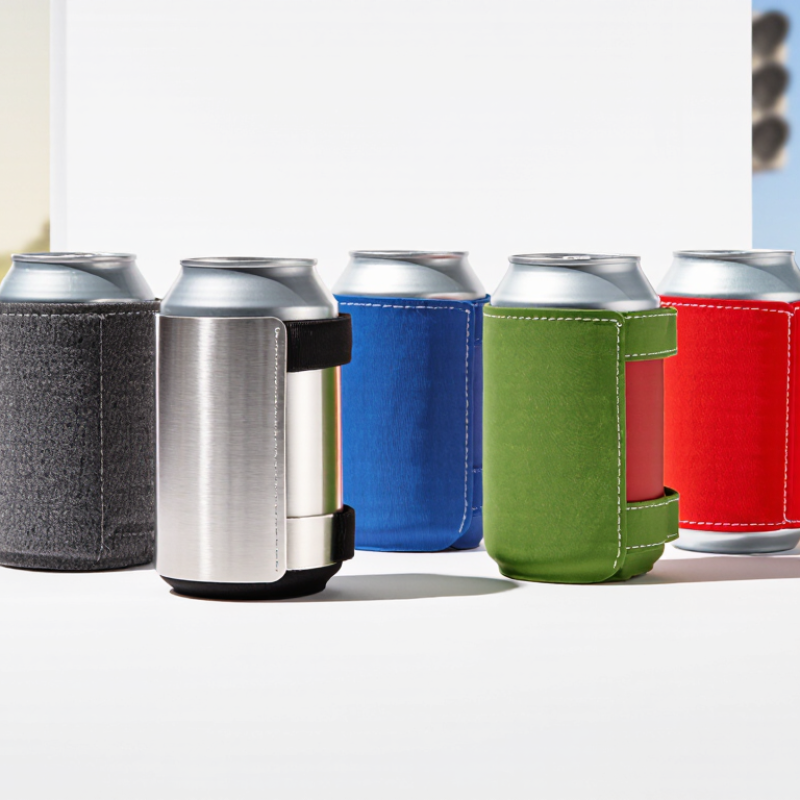
7 Best Can Drink Koozies for Global Buyers

What Are Can Drink Koozies and How Do They Work?

What Are Can Drink Koozies and How Do They Work?

Can drink koozies are insulated sleeves designed to keep canned beverages cooler for longer. They also reduce condensation, so a cold can feels less slippery in your hand. Most models use closed-cell foam, neoprene, or layered fabric. These materials slow heat movement between the surrounding air and the drink.

A koozie works by trapping small air pockets around the can. Air transfers heat poorly, so the drink warms more slowly. The sleeve also creates a barrier against warm hands and humid outdoor air. In practical testing, a snug fit usually performs better than a loose one. However, insulation cannot replace refrigeration. The drink will eventually warm.

For global buyers, size accuracy matters. A sleeve made for a standard can may not fit a slim can or a wider beverage container. Check the internal diameter, height, stitching, and foldability before ordering. Some designs collapse flat for shipping, while rigid versions offer stronger shape retention. That matters.

Material quality deserves attention. A strong zipper, sealed seams, and washable surfaces can improve daily use. Yet darker fabrics may feel warmer under direct sunlight. I have also found that thick foam can feel bulky in small bags. That trade-off is easy to miss. Clear measurements and sample testing remain safer than relying on product photos alone.

Key Features Global Buyers Should Compare

7 Best Can Drink Koozies for Global Buyers

Global buyers should compare seven practical features: insulation, fit, material, closure, grip, cleaning, and packaging. Insulation matters most in warm markets. A thick neoprene body can slow condensation and keep a cold can comfortable to hold. However, thicker is not always better. It may increase shipping volume and storage costs. Measure the internal diameter carefully. A loose koozie feels unstable on a 330-milliliter can.

Material claims need evidence. Textile Exchange reported 124 million tonnes of global fiber production in 2023, with polyester representing about 59 percent. Buyers should request recycled-content records instead of trusting vague “eco” wording. The lining should resist moisture and odors. Stitching needs close inspection around the base. I once rejected a sample because the seam opened after repeated bending. It looked excellent in photographs.

A secure zipper or collapsible design can improve portability, while a rubberized grip reduces slipping on outdoor tables. Check cleaning instructions, colorfastness, and drying time before ordering large quantities. NielsenIQ’s sustainability research found that 78 percent of consumers consider environmental sustainability important. That makes reusable packaging and low-waste shipping commercially relevant. UNEP’s 2023 Turning off the Tap report also links better product systems with major plastic-pollution reductions. Still, buyers should compare actual durability, not attractive promises. Small details matter globally. Use centimeters and inches in product sheets. Test samples in humid, cold, and dusty conditions before approval.

The 7 Best Can Drink Koozie Types for Different Needs

Global buyers need can drink koozies matched to real use, not just attractive printing. A 2024 Grand View Research assessment valued the global beverage cans market at over 60 billion US dollars. That scale supports demand for practical accessories across outdoor, hospitality, and promotional channels. Still, material choice matters more than market size.

Neoprene koozies suit daily outdoor use because they stretch securely and resist light moisture. Foam koozies offer the lowest cost and strong insulation for large events. Stainless steel insulated holders keep drinks cold longer, but they cost more and add shipping weight. Collapsible silicone types save space during storage and travel. They can feel less comfortable in cold weather. Small details matter.

Slim-can koozies fit narrow cans without slipping. Polyester-covered koozies support bright custom graphics and quick campaign changes. Leather or synthetic-leather holders suit premium gifting, although surface durability varies greatly. The Sustainable Packaging Coalition reports that packaging buyers increasingly assess material impact, recyclability, and end-of-life options. Buyers should request fabric weight, seam testing, odor checks, and printed-color samples. ISO 6330-style washing tests can help evaluate textile shrinkage, but they do not replace real-use trials. In my experience, samples often expose weak stitching faster than catalogs do. That is worth remembering. A balanced purchase compares insulation, fit, cleaning, minimum order quantity, packaging volume, and regional recycling conditions.

7 Best Can Drink Koozie Types for Different Needs

Comparative 1–5 ratings based on common construction characteristics, including insulation, protection, portability, and packability.

Vacuum-insulated stainless-steel koozies offer the strongest temperature retention and protection, while collapsible fabric and foam sleeves are easier to pack and transport. Buyers should match the koozie type with the intended can format, usage environment, and shipping requirements.

Materials, Sizes, Insulation, and Customization Options

Choosing the seven best can drink koozies depends on climate, can size, and use conditions. No option wins every test.

Neoprene koozies offer flexible insulation and fit standard cans well. They suit outdoor events and repeated handling. Foam koozies are lightweight, affordable, and easy to print. They work for large promotional orders, but their surface can tear. Polyester covers feel smoother and support bright, detailed designs. They usually need an inner foam layer for better cooling. Stainless steel can coolers provide strong insulation and a firm grip. Double-wall construction performs well in hot weather, though it adds weight. Leather or synthetic-leather koozies look premium and resist daily wear. Their insulation is often limited without an inner lining. Collapsible fabric koozies save storage space. They are practical for travel and retail packaging. Finally, slim-can koozies fit narrow beverage cans securely. Standard models may slide or leave exposed metal.

Check dimensions carefully. A small gap reduces stability and cooling performance. Measure diameter, height, and base shape before production. Insulation thickness also matters. For short outdoor use, 3 to 5 millimeters may be adequate. Longer cooling needs thicker foam or vacuum insulation. Custom options include screen printing, heat transfer, embroidery, color matching, hang tags, and packaging. Test ink adhesion after condensation appears. I would not trust a sample tested only indoors. Ask suppliers for material composition, size tolerance, odor checks, and wash or abrasion results. Global buyers should also confirm packaging measurements, carton weight, and color consistency between production batches. Weak points remain. Even excellent insulation cannot keep a warm can cold forever.

7 Best Can Drink Koozies for Global Buyers - Materials, Sizes, Insulation, and Customization Options

Koozie Type Typical Material Compatible Can Sizes Insulation Performance Key Benefits Customization Options Best Use Case Global Buyer Considerations
Neoprene Can Koozie Synthetic rubber foam with a stretch-fabric outer layer 330 ml, 355 ml, and 500 ml slim cans, depending on pattern Good insulation; flexible material creates a close fit around the can Soft grip, foldable, lightweight, and resistant to minor splashes Screen printing, heat transfer, sewn labels, full-color sublimation, and custom colors Promotional events, outdoor gatherings, travel, and gift programs Confirm neoprene thickness, colorfastness, print durability, and local labeling requirements
Foam Can Cooler Closed-cell polyethylene or polyurethane foam 330 ml and 355 ml standard cans; some designs fit 500 ml cans Good basic insulation for short outdoor use Low cost, buoyant, easy to compress, and suitable for high-volume orders One- or two-color printing, offset printing, custom shapes, and die-cut designs Large campaigns, festivals, sports promotions, and seasonal giveaways Compare foam density, odor, compression recovery, carton volume, and recycling guidance
Stainless Steel Can Cooler Double-wall stainless steel, commonly with a vacuum-insulated structure 355 ml standard cans; interchangeable inserts may support other sizes Very good insulation and strong resistance to condensation on the exterior Durable, reusable, premium appearance, and suitable for repeated use Laser engraving, screen printing, powder coating, color matching, and gift-box packaging Corporate gifts, hospitality programs, retail, and premium promotional products Check steel grade, wall construction, leak resistance, food-contact compliance, and shipping weight
Leather or Faux-Leather Can Holder Genuine leather or polyurethane-based synthetic leather with a lining Usually 330 ml and 355 ml standard cans Moderate insulation; performance depends on lining and inner padding Premium tactile appeal, structured shape, and long service life when maintained properly Embossing, debossing, foil stamping, metal badges, stitching colors, and custom packaging Executive gifts, clubs, hospitality, and lifestyle retail collections Clarify leather origin, material composition, chemical restrictions, care instructions, and import documentation
Collapsible Can Cooler Sleeve Foam or neoprene body with a flexible fabric exterior 330 ml, 355 ml, and selected slim-can formats Good insulation for casual use, with performance affected by wall thickness Folds flat, saves storage space, and reduces shipping volume All-over printing, woven labels, zipper or hook-and-loop closures, and custom folding designs Travel merchandise, subscription boxes, trade shows, and mail-order campaigns Review folded dimensions, packed weight, closure strength, washability, and e-commerce shipping costs
Can Cooler with Zipper Neoprene or polyester outer fabric with foam insulation and a zipper 355 ml standard cans; some versions accommodate 500 ml cans Good insulation with full side coverage and a closer fit Secure hold, reduced slipping, and better protection during transport Printed panels, woven badges, zipper-color selection, pull-tab designs, and custom dimensions Boating, camping, fishing, outdoor retail, and active-lifestyle promotions Test zipper quality, seam strength, corrosion resistance, opening size, and compatibility with can tabs
Recycled-Fabric Can Koozie Recycled polyester or recycled polyethylene terephthalate fabric with foam backing 330 ml, 355 ml, and selected slim-can sizes Good insulation when combined with a suitable foam or padded inner layer Supports sustainability messaging while remaining lightweight and reusable Recycled-content labels, digital printing, embroidery, woven labels, and custom hangtags Eco-conscious campaigns, green events, retail promotions, and institutional programs Request recycled-content verification, avoid unsupported environmental claims, and check destination-market labeling rules
Buyer Note: Can dimensions vary by region and beverage format. Always approve a physical sample before confirming a large international production order, especially for slim cans, tall cans, zipper closures, and custom inserts.

How to Choose Reliable Can Drink Koozie Suppliers Worldwide

7 Best Can Drink Koozies for Global Buyers

Reliable can drink koozie suppliers should provide more than attractive product photos. Their factory should explain foam density, fabric composition, stitching methods, and available dimensions. Ask for a physical sample before approving bulk production. A sample often reveals loose seams, uneven printing, or a poor fit around standard cans.

Check whether the supplier can share recent quality records, factory information, and material test documents. These records should match the actual production site, not a trading office. Confirm production capacity, minimum order quantity, lead time, packaging details, and shipping terms in writing. Clear documents reduce costly misunderstandings across time zones. Response speed also matters, but fast replies do not prove manufacturing ability.

Request testing for colorfastness, compression recovery, odor, and seam strength. For insulated styles, compare cooling performance under the same conditions. Suppliers should explain their testing method instead of offering vague promises. Buyers should also confirm printing durability after repeated handling and washing. Small errors matter. A one-millimeter size difference can make the koozie slide off a can. I have found that some supplier claims sound professional but remain difficult to verify. That is why staged orders, independent inspections, and payment milestones can protect both sides. Reliable partners accept reasonable questions and correct mistakes without avoiding responsibility.

FAQS

What is a can drink koozie?

It is an insulated sleeve for canned beverages. It keeps drinks cooler and reduces condensation on your hand.

How does a koozie slow warming?

Foam, neoprene, or fabric traps air around the can. Air transfers heat slowly. Warm hands and humid air stay farther away.

Does a koozie keep a drink cold forever?

No. Insulation only slows warming. A drink will eventually reach the surrounding temperature.

How should buyers choose the correct size?

Measure the can’s diameter, height, and base shape. A snug sleeve usually works better than a loose one.

Which materials are commonly used?

Neoprene feels flexible and durable. Foam is light and affordable. Fabric supports detailed designs but often needs inner insulation.

Is thicker insulation always better?

Not necessarily. Thick foam can improve cooling, but it may feel bulky and raise shipping costs.

What features support daily use?

Look for sealed seams, strong stitching, washable surfaces, and secure closures. A textured grip can reduce slipping on outdoor tables.

Which koozie works best for travel?

Collapsible fabric models save space and flatten easily. Rigid designs hold their shape better but occupy more room.

What should global buyers test before ordering?

Request samples and check fit, odor, colorfastness, drying time, and seam strength. Test them in humid and dusty conditions.

What customization options are available?

Common options include printing, embroidery, color matching, hang tags, and packaging. Test artwork after condensation appears. Photos can mislead.

Conclusion

Can Drink Koozies are practical drink holders designed to keep cans cooler, reduce condensation, and improve grip during everyday use, outdoor events, travel, and promotional activities. This guide explains how they work and compares the key features global buyers should evaluate, including insulation performance, durability, portability, fit, cleaning ease, and overall cost. It also introduces seven useful Can Drink Koozies types for different needs, from lightweight collapsible styles and classic foam holders to premium insulated designs, sleeve formats, and options made for larger cans.

Buyers will also learn how materials, sizes, insulation layers, closures, and customization choices affect product performance and user appeal. When selecting suppliers worldwide, it is important to review product consistency, production capacity, customization support, packaging, communication, lead times, and quality-control processes. A reliable supplier should provide clear specifications and samples, helping buyers choose Can Drink Koozies that match their market, budget, and intended use.

Oliver

Oliver

Oliver is a professional marketing specialist with a strong understanding of the company’s products, services, and long-term business goals. With extensive experience in market research, content strategy, customer communication, and digital marketing, he is committed to translating complex product......