Global buyers are looking beyond ordinary floral and vanilla candles. Cocktail Scented Candles now bring bar culture, travel memories, and premium gifting into home fragrance. Imagine a candle releasing lime peel, crushed mint, dark rum, or sparkling grapefruit across a quiet room.
Michael Edwards, a respected fragrance educator and author, once said, “Fragrance is the invisible accessory.” His view explains why cocktail-inspired scents can feel personal without occupying physical space. For buyers, however, attractive naming is only the beginning. Wax quality, fragrance stability, wick performance, packaging, and documented safety testing deserve equal attention.
This guide examines the 2026 market through a practical global lens. It considers popular profiles such as espresso martini, mojito, old fashioned, sangria, and champagne citrus. Each scent should communicate clearly before the lid is lifted. Strong details matter. A smoky amber cocktail needs balance, not just sweetness.
Taste differs widely.
A successful product in London may feel too intense in Seoul or Dubai. Regional preferences, climate, shipping conditions, and labeling expectations can change purchasing decisions. That part is easy to underestimate. Even experienced buyers may overvalue a clever cocktail name and overlook cold throw, burn time, or carton durability.
The following outline identifies promising scent directions, supplier evaluation points, and buyer concerns for 2026. It does not treat every trend as permanent. Some predictions may age badly. That is worth admitting. Consumer interest can shift quickly, especially when novelty becomes repetitive. Reliable sourcing, honest product claims, and sensory testing remain more valuable than temporary excitement.
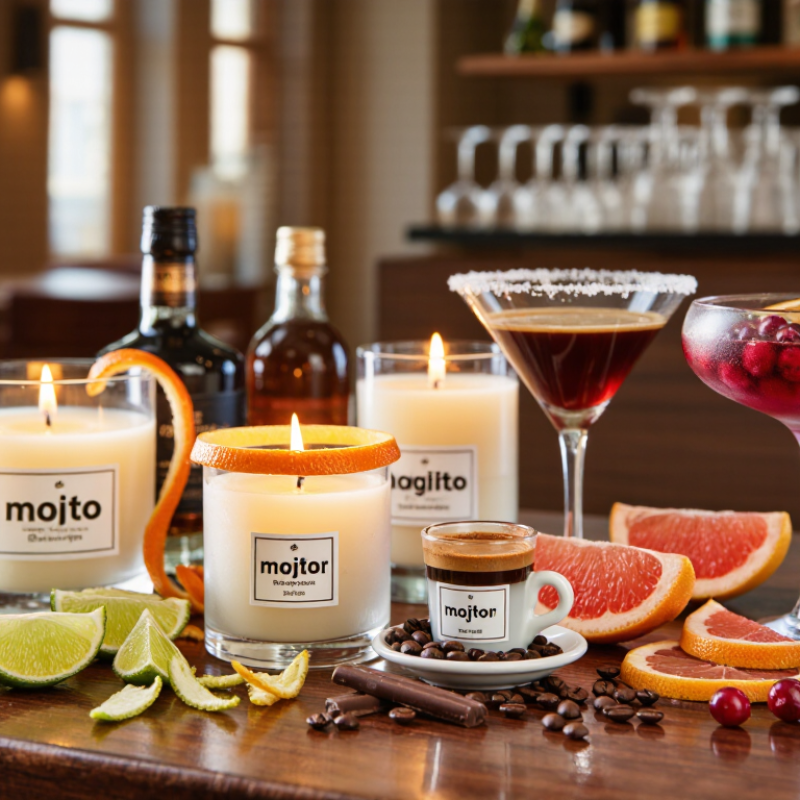
2026 Top Cocktail Scented Candles for Global Buyers
The global scented-candle market is projected to grow at a 5.2% CAGR through 2026 and beyond. This market snapshot reflects broader demand, not guaranteed sales. Cocktail-inspired candles attract buyers through familiar notes, including citrus peel, herbs, berries, spice, and soft woods. They suit hospitality spaces, gift collections, and seasonal home décor. Clear fragrance descriptions help international buyers compare products more accurately.
Professional sourcing requires more than attractive packaging. Buyers should review wax composition, burn-time tests, wick performance, and safety documentation. Container quality also matters. A stable glass vessel should resist heat during normal use. Fragrance intensity must remain balanced, because an overly strong scent can reduce repeat purchases. One practical weakness is regional preference. A bright lime note may sell well in one market but feel too sharp elsewhere. Small test batches can reveal this gap before large orders.
Tips: Request samples from several production lots. Check labels against destination-market rules. Confirm carton strength for humid or cold routes. Ask for allergen information and testing records. Keep cocktail references refined, not exaggerated. Trends change quickly.
Global Scented-Candle Growth at a 5.2% CAGR
The chart presents an indexed global scented-candle market growth path, using 2024 as the baseline of 100 and applying the stated 5.2% compound annual growth rate. The 2026 index is approximately 110.7, indicating continued expansion for cocktail-inspired scent concepts such as citrus, botanical, tropical fruit, and premium bar-inspired accords.
Note: Indexed values are calculated from the 5.2% CAGR assumption and are not absolute market revenue figures.
2026 Top Cocktail Scented Candles for Global Buyers?
The National Candle Association reports that women represent about 90% of candle purchasers. This figure should guide product planning, not limit it. Many women buy candles for personal rituals, housewarming gifts, and seasonal hosting. Cocktail-inspired scents can support these moments with recognizable notes, such as citrus peel, crushed mint, juniper, vanilla, or sparkling fruit.
The detail matters. A buyer may expect a clean lime opening, gentle botanical depth, and a soft sugar finish. Overly strong alcohol-like notes may feel harsh in bedrooms or small apartments. NCA consumer guidance also identifies scent as a leading purchase factor, while container appearance and burn performance influence repeat buying. For global buyers, clear scent descriptions are essential. “Citrus botanical” communicates more than an abstract cocktail name.
Market research from Grand View Research continues to show strong interest in home fragrance and gift-oriented candles. However, published market estimates differ because companies measure regions, formats, and sales channels differently. I would not treat one forecast as universal truth. The 90% NCA figure also needs context; it reflects reported purchasing behavior, not every candle user worldwide. A useful export sample should test age, climate, cultural preferences, and gifting habits. A bright grapefruit candle may suit one market, while warm vanilla and spice may perform better elsewhere. The assumption can fail. That is valuable evidence.
For global buyers in 2026, cocktail-scented candles should smell layered, not sugary. Citrus notes such as bergamot, grapefruit, and lime create a bright opening. Their volatile oils evaporate quickly, so they need support from stable middle notes. Basil, mint, rosemary, or thyme can add a dry, green edge. Wine accords bring berry, oak, or soft acidity. Spirit-inspired notes suggest vanilla, toasted grain, juniper, or gentle smoke without copying a drink exactly. The best formula leaves room to breathe.
Tips: Test each fragrance in wax, not only on paper strips. A scent can become flatter after cooling. Burn samples in a small room, then repeat in a larger space. Record cold throw, hot throw, melt-pool temperature, and scent strength at 30-minute intervals. Keep wick size, wax type, vessel diameter, and fragrance load consistent. Ask independent evaluators to describe the aroma without seeing the formula. Their language often reveals imbalance.
Experienced developers also check safety documentation, labeling rules, and transport requirements for each target market. “Wine” should feel nuanced, not fermented or medicinal. Citrus may dominate unless the herb ratio is restrained. That mistake is common. A practical adjustment is lowering the top note and warming the base with soft woods or gentle amber. Still, fragrance behavior changes between waxes, so every formula deserves another test.
For 2026 cocktail-scented candles, buyers should compare performance, not only colorful names. Wax choice affects scent release, surface finish, and burn stability. Soy wax often gives a softer appearance and slower burn. Paraffin can provide stronger scent projection. Blended waxes may balance both results.
Measure fragrance load by wax weight. An 8–12% load is a practical benchmark for many cocktail profiles. Citrus, herbs, and bitters may perform differently in the same formula. More fragrance does not always mean better scent. It can create sweating, soot, or poor adhesion. Each formula needs curing and repeated burn testing. Burn time depends on vessel width, wick size, wax density, and actual fill weight. A clear test record is essential.
Tips: Ask suppliers for wax type, fragrance percentage, net fill weight, and tested burn hours. Confirm whether the stated load excludes wax additives. Request safety data and destination-specific labeling information. During testing, trim the wick to about 5–6 millimeters before each burn. Limit sessions to roughly two to four hours. Stop when about 10 millimeters of wax remains. Keep the flame away from drafts and nearby materials. Small differences matter. A benchmark helps, but it cannot replace testing in the final glass, climate, and packaging. Some early samples may look excellent yet burn unevenly. That is a useful warning, not a failure.
Reference benchmarks for private-label and wholesale evaluation; actual performance varies by vessel, wick, fragrance composition, and testing conditions.
| Product Profile | Recommended Wax System | Fragrance Load | Net Fill | Target Burn Time | Wick Guidance | Scent Direction | Primary Safety Benchmarks | Buyer Evaluation Notes |
|---|---|---|---|---|---|---|---|---|
| Classic Martini | Soy or soy–coconut container wax | 8–10% | 200 g | 40–50 hours | Single cotton wick; vessel-specific sizing | Dry gin, citrus peel, juniper, soft botanical notes | Stable flame, no sustained smoking, no vessel overheating, wick trimmed to 6 mm before lighting | Good entry profile for broad international markets; verify cold throw and hot throw after 7–14 days of cure. |
| Mojito Mint | Soy–coconut wax blend | 9–11% | 250 g | 48–60 hours | Cotton or paper-core wick; test for melt-pool width | Lime, spearmint, cane sugar, light rum accord | Use fragrance-compliant materials; test for soot, mushrooming, and flame height throughout the burn cycle | Fresh profiles can be highly volatile; confirm scent consistency after container filling and shipping simulation. |
| Old Fashioned | Soy–paraffin blend or refined paraffin container wax | 8–10% | 220 g | 42–54 hours | Cotton wick; select size through full-burn testing | Bourbon, orange zest, aromatic bitters, vanilla, oak | Container must remain intact; discontinue use when approximately 10–13 mm of wax remains | Darker fragrance oils may affect appearance; assess frosting, wet spots, adhesion, and color stability. |
| Margarita Citrus | Coconut–soy wax blend | 9–12% | 180 g | 35–45 hours | Cotton wick; avoid excessive flame height in high-load formulas | Lime, grapefruit, orange, agave, subtle sea salt | Confirm flash-point documentation and applicable fragrance-use limits; test for soot and rapid melt-pool growth | Strong citrus demand supports seasonal and gifting programs; check fragrance stability under warm transport conditions. |
| Negroni Bitter Orange | Soy–coconut wax blend | 8–10% | 250 g | 50–60 hours | Cotton wick; test fragrance-to-wick compatibility | Bitter orange, grapefruit, herbal botanicals, warm spice | Flame should remain controlled across the full melt pool; include burn instructions and warning label | Complex accords require repeat batch testing to control color, scent balance, and hot-throw consistency. |
| Espresso Martini | Soy–paraffin or coconut–soy container wax | 8–10% | 200 g | 40–50 hours | Cotton wick; monitor carbon buildup and soot | Roasted coffee, cocoa, vanilla, cream, light liqueur accord | Test dark pigments and coffee accords for wick clogging, smoking, and unstable flame behavior | Premium positioning benefits from clear wax appearance and strong hot throw without exceeding safe fragrance limits. |
| Piña Colada | Coconut–soy wax blend | 9–12% | 300 g | 55–70 hours | Single or dual wick depending on vessel diameter | Coconut, pineapple, vanilla, creamy rum, tropical fruit | For wide vessels, verify even edge-to-edge melt without excessive combined flame height | Suitable for summer collections; run heat, leakage, and label-adhesion checks for warm-climate distribution. |
| Bellini Peach | Soy or soy–coconut container wax | 8–10% | 180 g | 35–45 hours | Cotton wick; tune for a clean, moderate flame | White peach, sparkling wine, apricot, soft floral notes | Use a heat-resistant vessel and conduct repeated burn tests with final decoration and lid configuration | Light fruit profiles may need optimized fragrance quality rather than simply increasing fragrance load. |
Cross-Product Buyer Checklist
Request a final-product safety data sheet, fragrance compliance documentation, vessel heat-resistance evidence, wick specifications, batch traceability, and documented burn-test results. A typical controlled test uses the finished candle, final label and vessel, a trimmed wick, and burn intervals of no more than four hours, with complete cooling between sessions.
For cocktail scented candles, global buyers should verify fragrance documentation before discussing volume. Ask suppliers for the latest IFRA conformity information, safety data, allergen details, and ingredient traceability. IFRA guidance supports fragrance use limits, but it is not a universal market passport. Import rules and labeling duties may differ by destination. Request test samples in the final wax, jar, wick, and fragrance combination. Performance can change after three weeks.
MOQ affects more than factory pricing.
A low MOQ may increase unit cost, while a large MOQ can trap cash in slow-moving seasonal scents. Ask for tiered pricing at 500, 1,000, and 3,000 units. Include wax, vessel, lid, label, carton, testing, and shipping estimates. Clarify whether tooling and color matching carry separate fees. Many quotes look attractive until packaging is added.
Packaging should protect glass during humid storage and long-distance transport. Use clear fragrance names, batch codes, net weight, burn guidance, and destination-specific information. Test cartons with drop and compression checks. They may pass in the factory and fail at a warehouse. Channel strategy also matters. Boutique retailers may prefer smaller runs and distinctive vessels, while distributors need stable supply and barcode-ready cartons. Online channels require strong photography, leak-resistant packing, and realistic delivery times. I would keep one flexible scent in the launch plan. Buyers often overestimate novelty and underestimate repeat purchases.
It should smell layered, not sugary. Bright citrus can lead, while herbs, woods, or amber create balance.
Bergamot, grapefruit, and lime offer fresh openings. They evaporate quickly, so stable middle notes should support them.
Basil, mint, rosemary, and thyme add a dry, green edge. Use restraint, or the herbal note may dominate.
They should suggest berries, oak, and soft acidity. Avoid a fermented or medicinal impression.
Vanilla, toasted grain, juniper, or gentle smoke can suggest depth. The formula should not copy a drink exactly.
Test the final wax, vessel, wick, and fragrance combination. Paper strips alone can mislead you.
Record cold throw, hot throw, melt-pool temperature, and scent strength every 30 minutes. Test in both small and large rooms.
Request current fragrance conformity information, safety data, allergen details, and ingredient traceability. These documents do not replace local requirements.
Request pricing at 500, 1,000, and 3,000 units. A low order may cost more, while a large order can trap cash.
Use protective cartons, batch codes, net weight, burn guidance, and destination-specific information. Test drop and compression strength.
Boutique shops may prefer smaller runs and distinctive vessels. Online sales need strong images, leak-resistant packing, and realistic delivery times.
Buyers may overestimate novelty and underestimate repeat purchases. I would keep one flexible scent in the launch plan.
The 2026 market outlook for Cocktail Scented Candles points to continued global growth, with the scented-candle sector projected to expand at approximately a 5.2% CAGR. Consumer data also indicates that women represent about 90% of candle buyers, making elegant, giftable, and lifestyle-oriented designs especially important for international purchasing decisions. Cocktail-inspired fragrances can create distinctive experiences by blending bright citrus, fresh herbs, wine-like accords, and refined spirit-inspired notes without relying on excessive intensity.
For global buyers, product evaluation should cover wax quality, an 8–12% fragrance load, consistent scent release, reliable burn time, and essential safety performance. Supplier selection should also include IFRA compliance, practical MOQs, transparent pricing, export-ready packaging, and suitable sales channels. A successful 2026 offering will balance sensory creativity with stable manufacturing, clear documentation, attractive presentation, and dependable supply capabilities across different markets.